
Summary
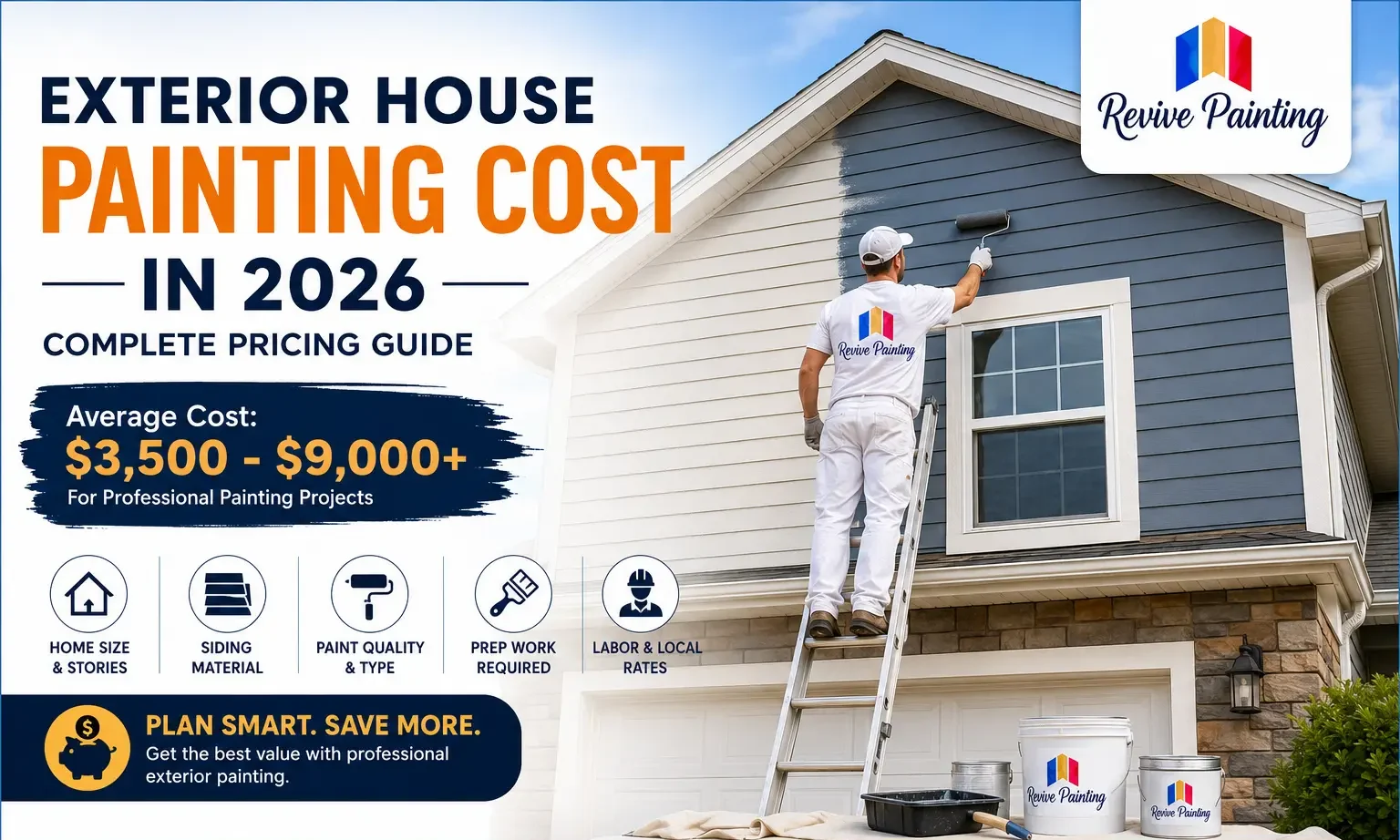
The exterior house painting cost depends on factors such as home size, siding material, paint quality, labor, and surface preparation. In this guide, we’ve explained average pricing, labor costs, material-specific estimates, budgeting methods, DIY versus professional painting, and practical ways to save money. But if we talk about the latest cost in 2026, most homeowners spend between $3,500 and $9,000 for a professional exterior painting project. If you’re comparing exterior painting cost Toronto, exterior painter cost GTA, or house painting cost Scarborough, requesting a personalized quote from a trusted local contractor will provide the most accurate estimate for your home.
Exterior House Painting Cost in 2026: Complete Pricing Guide
If you’re wondering how much does it cost to paint a house exterior, the short answer is that most homeowners spend between $3,500 and $9,000 for a professional exterior painting project in 2026. However, the cost to paint a house exterior varies based on your home’s size, the type of siding, paint quality, labor rates, and the amount of preparation required. Knowing these factors helps you avoid unexpected expenses and choose the right contractor for your budget. In this guide, we break down current pricing, explain what influences the exterior house painting cost, and share practical insights based on common industry pricing to help you make a confident and informed decision.
Average Exterior House Painting Cost in 2026:
The average cost to paint exterior of house in 2026 depends on several variables, including square footage, the number of stories, the condition of the exterior, and regional labor costs. While every home is different, national averages provide a reliable starting point for planning your budget.
National Average Cost:
For most residential properties, the exterior house painting cost ranges between $3,500 and $9,000, with the national average falling around $5,800 to $6,500. Smaller homes with minimal preparation often fall near the lower end of the range, while larger homes with multiple stories or extensive repairs can cost significantly more.
Professional painters usually include labor, surface preparation, primer, paint application, and cleanup in their estimates. However, additional services such as wood replacement, pressure washing, or extensive repairs may increase the final price.
Typical Cost Range:
The average cost to paint exterior of house generally falls into the following categories:
- Small homes: $3,500–$4,800
- Medium-sized homes: $4,800–$7,000
- Large homes: $7,000–$9,500+
These estimates assume standard siding conditions and quality exterior paint. Homes with peeling paint, damaged siding, or complex architectural details usually require additional labor and materials, resulting in higher overall costs.
Cost Per Square Foot:
Many painting contractors estimate projects using exterior painting cost per square foot. On average, homeowners can expect to pay:
- $2.00–$3.50 per sq ft for basic exterior painting
- $3.50–$5.50 per sq ft for premium paints and moderate preparation
- $5.50–$7.00+ per sq ft for extensive repairs, premium finishes, or difficult access
Although square footage provides a useful estimate, contractors also consider factors such as trim, shutters, garages, porches, and accessibility before providing a final quote.
Exterior House Painting Cost by Home Size:
One of the biggest factors influencing the cost to paint a house exterior is the overall size of your home. Larger homes require more paint, additional labor hours, and often more equipment, increasing the total project cost. Exterior painting cost by house size can help you estimate a realistic budget before requesting quotes.
1,000 sq ft Home:
A 1,000-square-foot home generally costs between $2,800 and $4,500 to paint. Single-story homes with vinyl siding and minimal preparation usually fall on the lower end, while wood siding or comprehensive planning work increases the price.
1,500 sq ft Home:
For a 1,500-square-foot home, expect to pay approximately $3,800 to $5,800. Most homeowners choose mid-range exterior paints that balance durability, weather resistance, and long-term value.
2,000 sq ft Home:
A normal 2,000-square-foot home usually costs between $4,500 and $7,000, depending on siding material, paint quality, and local labor rates. This size represents one of the most common residential painting projects across Canada.
2,500 sq ft Home:
Painting a 2,500-square-foot property generally ranges from $5,500 to $8,500. Homes with multiple gables, decorative trim, or complex rooflines often require additional labor, increasing the overall estimate.
3,000+ sq ft Home:
Larger homes exceeding 3,000 square feet usually cost $7,000 to $10,000 or more. If you’re researching the average cost to paint a 2 storey house exterior, expect higher labor costs due to ladders, scaffolding, safety equipment, and additional setup time required for multi-story properties.
Read more: How Much Does a Painting Renovation Cost in 2026?
What Factors Affect Exterior Painting Costs?
No two painting projects are exactly alike. While national averages provide a helpful benchmark, several important factors determine your final estimate. Comprehending what factors affect exterior painting cost allows homeowners to compare quotes more confidently and identify where their money is being spent. Below is an exterior painting cost breakdown of the key elements that influence pricing.
Home Size and Number of Storie:
The larger the home, the more paint, labor, and preparation are required. Multi-story homes also increase project complexity because painters need ladders, scaffolding, or lifts to safely reach higher areas. These additional safety measures naturally increase labor time and overall costs.
Surface Material (Wood, Stucco, Brick, Vinyl)
Different siding materials require different preparation techniques and painting methods.
- Wood siding often needs scraping, sanding, and priming before painting.
- Stucco absorbs more paint due to its textured surface.
- Brick requires breathable masonry coatings.
- Vinyl siding needs expert paints designed to expand and contract with temperature changes.
The material covering your home’s exterior significantly impacts both labor and material expenses.
Paint Quality and Brand:
Paint quality directly affects durability, weather resistance, and maintenance costs. Premium exterior paints generally cost more upfront but provide better UV protection, stronger color retention, and a longer lifespan. Investing in high-quality paint often reduces the frequency of repainting, making it more cost-effective over time.
Surface Preparation and Repairs:
Preparation is one of the most important, and often overlooked, parts of any painting project. Professional painters typically inspect the exterior for peeling paint, mildew, cracks, damaged caulking, and rotten wood before applying new paint.
Common preparation tasks include:
- Pressure washing
- Scraping loose paint
- Sanding rough surfaces
- Filling cracks
- Replacing damaged trim
- Priming exposed areas
Homes requiring extensive preparation will naturally have a higher exterior house painting cost, but proper prep ensures better adhesion and a longer-lasting finish.
Labor Rates and Location:
Labor costs vary depending on your region, contractor experience, and local demand. Urban areas often have higher labor rates than smaller communities due to increased operating expenses and higher wages. Obtaining multiple detailed estimates helps you compare pricing and understand exactly what is included in each quote.
Accessibility and Height:
Features such as steep roofs, sloped landscapes, tall walls, balconies, and limited access areas require additional equipment and safety precautions. These challenges increase labor time and can add to the overall project cost, even if the home’s square footage remains the same.
Exterior Painting Cost by Material:
The type of exterior surface plays a major role in determining the final painting price. Some materials require more preparation, while others absorb more paint or need specialized coatings. Understanding these differences helps you plan a realistic budget before hiring a painter.
Wood Siding:
Wood siding is one of the most labor-intensive materials to paint. It often requires scraping loose paint, sanding rough areas, replacing damaged boards, and applying a quality primer before painting. Because wood is exposed to moisture and sunlight, choosing premium exterior paint helps improve durability and reduce future maintenance.
Stucco:
Stucco has a porous, textured surface that absorbs more paint than smooth siding. Professional painters usually apply thicker coatings and additional paint to achieve even coverage. Although painting stucco may cost more initially, proper application can protect the surface from weather damage and extend its lifespan.
Brick:
Painting brick requires breathable masonry paint that allows trapped moisture to escape. Surface cleaning and repairs are especially important because paint adheres best to clean, sound masonry. While painted brick offers a fresh, modern appearance, homeowners should understand that it requires long-term maintenance once painted.
Vinyl Siding:
Vinyl siding is generally one of the more affordable materials to repaint because it requires less preparation than wood. However, painters must use vinyl-safe paint designed to expand and contract with changing temperatures. Choosing the wrong product may cause peeling or warping over time.
Fiber Cement:
Fiber cement siding is durable and holds paint exceptionally well. Most projects require minimal preparation compared to wood, making it a cost-effective option for homeowners. If you’re estimating the cost to paint exterior trim and siding, remember that decorative trim, shutters, soffits, and fascia are often priced separately from the main siding.
How Much Does Labor Cost to Paint a House Exterior?
Labor accounts for the largest portion of most exterior painting projects. Skilled painters bring the experience, equipment, and safety practices needed to complete the job efficiently and deliver long-lasting results.
Professional Painter Hourly Rates:
Many homeowners ask, how much does a painter charge for exterior work? In 2026, professional painters typically charge between $40 and $90 per hour, depending on experience, project complexity, and local market rates.
Most contractors, however, provide fixed project estimates instead of hourly billing because exterior painting involves multiple variables such as preparation, drying time, weather conditions, and accessibility.
Labor vs. Materials Breakdown
For a typical project:
- Labor: 70–80%
- Paint and materials: 20–30%
Labor includes pressure washing, scraping, sanding, masking, priming, painting, cleanup, and equipment setup. While premium paint increases material costs, labor usually remains the biggest contributor to the overall exterior house painting cost.
When Labor Costs Increase
Labor costs may increase when:
- The home has multiple stories.
- Extensive repairs are needed.
- Paint removal is required.
- The property has difficult access.
- Weather conditions delay the project.
- Intricate trim and architectural details require additional time.
Requesting a detailed written estimate helps you understand what services are included and avoid unexpected charges.
Exterior Paint Cost Calculator
If you’re planning your budget, using a simple estimate can provide a reasonable starting point before requesting professional quotes. This exterior painting cost guide helps homeowners understand expected pricing based on square footage.
Formula to Estimate Cost
A simple formula is:
Home Exterior Square Footage × Average Price Per Square Foot = Estimated Painting Cost
Using the average exterior painting cost per square foot of $2.50–$6.00, you can estimate most residential projects fairly accurately.
Example Calculation for a 2,000 sq ft Home
For example:
2,000 sq ft × $4.00 per sq ft = Approximately $8,000
This estimate generally includes labor, quality paint, and standard preparation. Homes requiring repairs or premium finishes may exceed this amount.
How to Adjust for Multiple Stories
Two-story and larger homes typically require additional labor, safety equipment, and setup time. Depending on accessibility and complexity, homeowners should expect costs to increase by approximately 10–25% compared to similar single-story homes. Understanding exterior painting cost by house size allows you to estimate pricing more accurately before requesting professional quotes.
DIY vs. Hiring Professional Exterior Painters
Many homeowners consider painting their house themselves to reduce expenses. While DIY can save money upfront, professional painting often provides better long-term value.
DIY Cost Estimate
DIY projects generally cost between $800 and $2,500, depending on paint quality, equipment rental, ladders, pressure washers, primers, and supplies. Although the initial investment is lower, the project requires significant time, physical effort, and attention to detail.
Professional Cost Estimate
Hiring professionals usually costs between $3,500 and $9,000, but the investment includes proper preparation, commercial-grade equipment, experienced workmanship, warranties (where offered), and a durable finish that lasts longer.
Which Option Offers Better Value?
If you’re wondering is exterior painting worth the cost, the answer is often yes. Professional painters can complete projects faster, identify hidden issues before they worsen, and deliver a finish that enhances curb appeal and protects your home’s exterior. For many homeowners, hiring experienced professionals reduces future maintenance costs and provides greater peace of mind.
How to Save Money on Exterior House Painting
A quality paint job doesn’t always have to exceed your budget. These exterior painting budget tips can help reduce costs without sacrificing quality.
Paint During the Off-Season
Scheduling your project during slower months may result in better pricing and improved contractor availability.
Limit Color Changes
Changing from a dark color to a light one often requires additional primer and multiple coats. Choosing a similar color can reduce both labor and material expenses.
Handle Minor Prep Work Yourself
Simple tasks like trimming bushes, removing outdoor furniture, and cleaning around the work area may reduce preparation time and lower labor costs.
Compare Multiple Quotes
Always request at least three written estimates before making a decision. Compare preparation methods, paint brands, warranties, and included services—not just the final price. A detailed comparison helps you better understand the overall exterior house painting cost and choose the contractor that offers the best value.
Frequently Asked Questions
How much does it cost to paint a 2,000 sq ft house exterior?
Most homeowners spend between $4,500 and $7,500, depending on paint quality, preparation, siding material, labor rates, and the number of stories.
What is the average cost to paint a house exterior per square foot?
The average exterior painting cost per square foot ranges from $2.00 to $6.00, although premium paints and extensive preparation can increase the total.
Is it cheaper to spray or roll exterior paint?
Spraying is generally faster and may reduce labor time, while rolling often provides thicker coverage on certain surfaces. Many professional painters use both methods for the best overall finish.
How often should a house exterior be painted?
Most homes require repainting every 5–10 years, depending on the siding material, local climate, paint quality, and sun exposure.
Does painting increase home value?
Yes. A professionally painted exterior improves curb appeal, protects siding from weather damage, and can make a property more attractive to potential buyers. If you’re researching how much does it cost to paint a house exterior in Canada, obtaining local estimates is the most accurate way to account for regional labor rates and climate-related preparation requirements.